
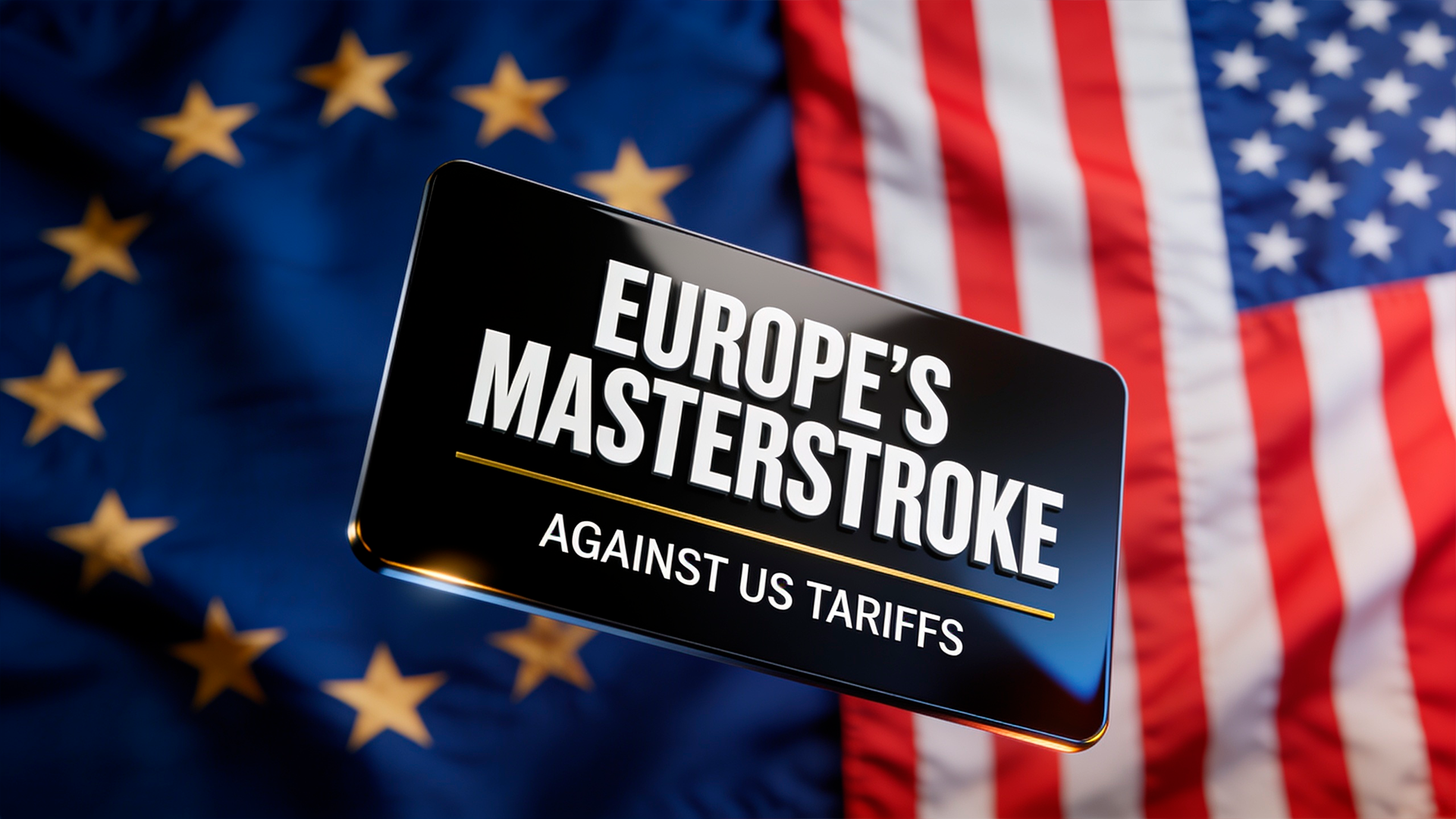
A 15 percent tariff framework prevented a broader trade war, but steel duties, sector specific exceptions and new political threats continue to create uncertainty for companies on both sides of the Atlantic.
The trade deal that stopped a wider escalation
The United States and the European Union entered 2025 on a path toward a tariff confrontation. Washington imposed new duties, while Brussels prepared countermeasures. The dispute threatened a relationship worth about 1.7 trillion euros in annual goods and services trade.
A framework agreed in July 2025 and confirmed the following month prevented the conflict from expanding. Under the agreement, the United States generally applies the higher of the normal most favored nation tariff or a combined rate of 15 percent to goods originating in the EU. The arrangement replaced the risk of much higher duties with a more predictable ceiling, but it did not restore the low tariff environment that existed before the dispute.
The framework covers major European exports, including automobiles, machinery, pharmaceuticals and semiconductors. It also contains exemptions. Aircraft and aircraft parts, generic pharmaceuticals and ingredients, cork and some natural resources are generally subject only to the normal US tariff. The two sides can add other strategically important products to that list.
Europe opened its market in return
The European Union accepted an asymmetric bargain. From July 1, 2026, it eliminated tariffs on US industrial goods and improved access for selected agricultural and seafood products, including lobster. Washington, by contrast, retained a broad tariff on most European products.
European policymakers defended the agreement as a way to secure stability for exporters and avoid duties that could have been substantially higher. The EU also attached safeguards. Brussels can suspend concessions if the United States fails to respect its commitments or if increased American imports cause serious harm to European producers. The current legislation is due to expire at the end of 2029 unless it is renewed.
The wider package included European intentions to purchase US energy, buy at least 40 billion dollars of American AI chips and support additional investment in the United States. These are commercial ambitions rather than tariff payments, and their fulfillment depends on demand, prices and infrastructure.
Steel and aluminium remain the central dispute
Steel and aluminium were never fully resolved by the 15 percent framework. The United States raised tariffs on many metal products to 50 percent and expanded duties to derivative goods containing steel or aluminium. Some European products later received lower rates, but others, including certain refrigerators, lawn mowers and rail components, continued to face duties above the general ceiling.
The effect on European industry was immediate. According to Eurofer figures reported by Reuters, EU steel exports to the United States fell by 34 percent after the tariff increase. Shipments dropped to 1.94 million metric tons during the first three quarters after the higher rate took effect. The decline affected steelmakers directly and created additional costs for manufacturers that use European metal in finished products.
Washington argues that metal tariffs protect national security and domestic production. European producers respond that the EU is an ally rather than a source of unfair global overcapacity. Both sides have discussed tariff free quotas and cooperation against subsidized excess production, but a comprehensive solution has remained difficult.
Cars pharmaceuticals and consumer products
The agreement reduced the threat to Europe’s automobile industry by setting a combined 15 percent US rate for covered EU vehicles and parts after the EU introduced its implementing legislation. That outcome was less severe than the higher automobile tariffs previously threatened, although it still raises the cost of European vehicles sold in the American market.
Combined US duties on pharmaceuticals and semiconductors would generally not exceed 15 percent, while generic medicines obtained more favorable treatment. Because Europe supplies medicines, ingredients and advanced industrial products to the United States, broader duties could raise costs for American hospitals, factories and consumers.
Recent changes show how quickly individual sectors can move. In September 2026, President Donald Trump announced that the United States would remove a 10 percent tariff on Irish whiskey. The decision was welcomed by the drinks industry, but it also illustrated the fragmented nature of tariff policy: a political announcement can change one product while similar exports continue to face duties.
Who pays the economic cost
A tariff is collected from the importer, not directly from the foreign government. American companies bringing European products into the United States must decide whether to absorb the charge, negotiate lower prices from suppliers or pass the cost to customers. The result varies by industry, competition and the availability of substitutes.
European exporters may lose sales or reduce margins, while US producers can gain temporary protection from imported competition. The benefit is smaller when American factories depend on European machinery, chemicals, components or metals. In those cases, tariffs can raise production costs and make US finished goods less competitive.
The EU faces a different tradeoff. Removing duties on US industrial products lowers costs for European buyers and gives American companies better market access. European manufacturers must compete with those imports while continuing to pay duties when they sell many products in the United States. Brussels accepted this imbalance because it judged that predictability was preferable to an escalating tariff war.
The agreement remains politically fragile
The tariff framework reduced immediate uncertainty but did not remove trade policy from political disputes. In September 2026, Trump threatened serious new tariffs or limits on trade if he considered a proposed closer relationship between Canada and the EU hostile to the United States. Any new levies would challenge the existing framework and could trigger European countermeasures.
Businesses therefore cannot treat the 15 percent arrangement as permanent. They must continue monitoring product classifications, rules of origin, sector specific duties and exemptions. Companies with transatlantic supply chains may also increase production inside the destination market to reduce exposure, although relocation requires capital and can take years.
The current system is best understood as a managed trade truce. It has protected a commercial relationship that supported 910.6 billion euros in bilateral goods trade in 2025, but it has also normalized higher barriers. A durable settlement would require progress on steel and aluminium, consistent application of the agreed ceiling and a commitment to keep unrelated political disagreements from becoming new tariff disputes.
Sources
• European Commission overview of current trade relations with the United States
• White House joint statement on the United States European Union framework
• Reuters on the effect of US steel tariffs on European exports, June 3, 2026
• Reuters on EU safeguards in the trade deal legislation, May 27, 2026
• Reuters on the removal of US tariffs on Irish whiskey, September 13, 2026
• Reuters on renewed US tariff threats toward the European Union, September 17, 2026


Add comment